


Introduction:
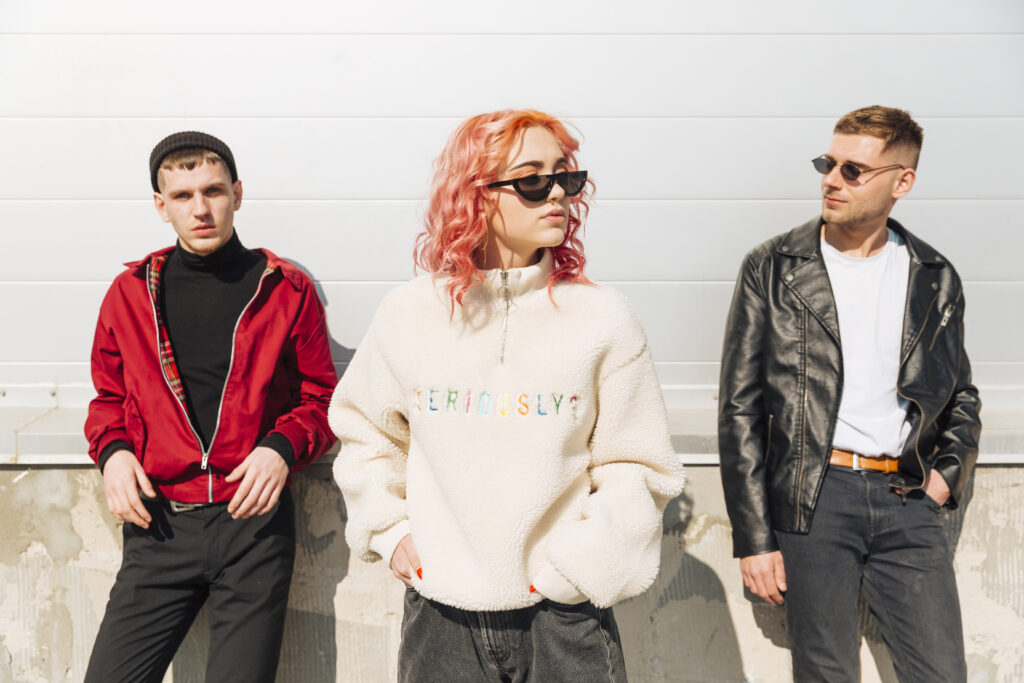
Fashion trends once took their first steps down the runways of Paris, milan, and New York. Our outfits were chosen months in advance by editors and high-end designers. However, today? A 15-second reel, a GRWM (Get Ready With Me) video, or a single viral TikTok can instantly start a global craze. Welcome to the new era, where your “For You Page” is the new fashion capital and the runway has taken a backseat.

1. The Slow yet Stylish Old School Cycle
In the past, fashion followed intentional cycles. Designers unveiled collections, celebrities wore them, magazines published articles about them, stores eventually carried them, and you purchased them. The entire trip can take six to twelve months. Trends have prestige, build-up, and hype. Right now? Nobody is waiting.
2. The Revolution of Social Media
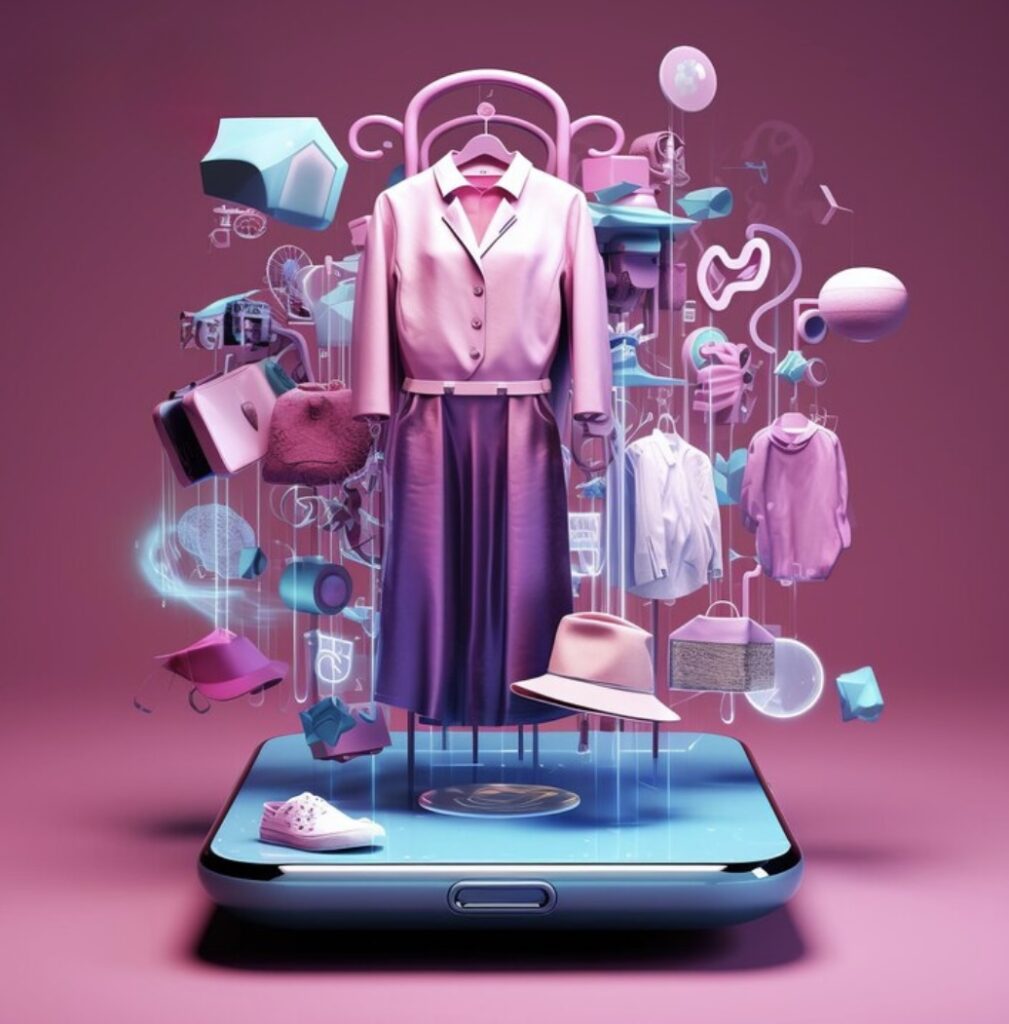
Fashion is now shareable thanks to Instagram. It went viral on TikTok. Within 48 hours, an ordinary Amazon item might become a sold-out phenomenon thanks to a single video that showcases a lovely corset top or the “clean girl aesthetic.” These days, the focus is on the present rather than the future. The trend is being driven by creators rather than couture houses.
3 How #FYP Is Unstoppable on the Catwalk
Seasons are irrelevant to the “For You Page.” It thrives on:
• Relatable fashion (thrift flips, budget hauls);
• Current trends (coquettecore, blokecore, quiet luxury, etc.)
• Quick, captivating images Gen Z views fashion as expressive and flexible rather than rigid.
Instead of a runway model wearing a $3,000 dress, they would want to imitate the attire of a TikTok girl with 10,000 followers.
4. The Speed of Style & Microtrends
It moves at an unbelievable pace. Cargo skirts one week, ballerina flats the next.
As an example? Why Influencers’ Reels styling of the Miu Miu miniskirt trend caused it to go viral, not Fashion Week.
• The smooth bun and “glazed donut” skin of Hailey Bieber quickly became a worldwide beauty-fashion trend
. Fashion is algorithmic now, not seasonal.
5. The Reverse: Overconsumption & Trend Fatigue
There is also a negative aspect. Because fashion changes so quickly, people feel pressured to “keep up,” clothes become throwaway, and sustainability suffers.
Although brands promote microtrends, not everyone has the financial means to follow them every week. Rewear culture and slow fashion influencers are growing as a result.


In conclusion:
The charm of the runway will never fade. Let’s face it, though: what will be your next fashion fixation? A gorgeous Vogue spread isn’t going to do it. It will appear on a video with a trending audio and a comment section full of “where’s this from?” questions while you’re scrolling at two in the morning.
Fashion is now seen, shared, and liked in addition to being worn. Style is being streamed, not merely sewn, in the future. Greetings from the universe where algorithms and the catwalk collide. 🖤